About Drew Glass
Author & Storyteller
Telling Stories About People Who Become Stories
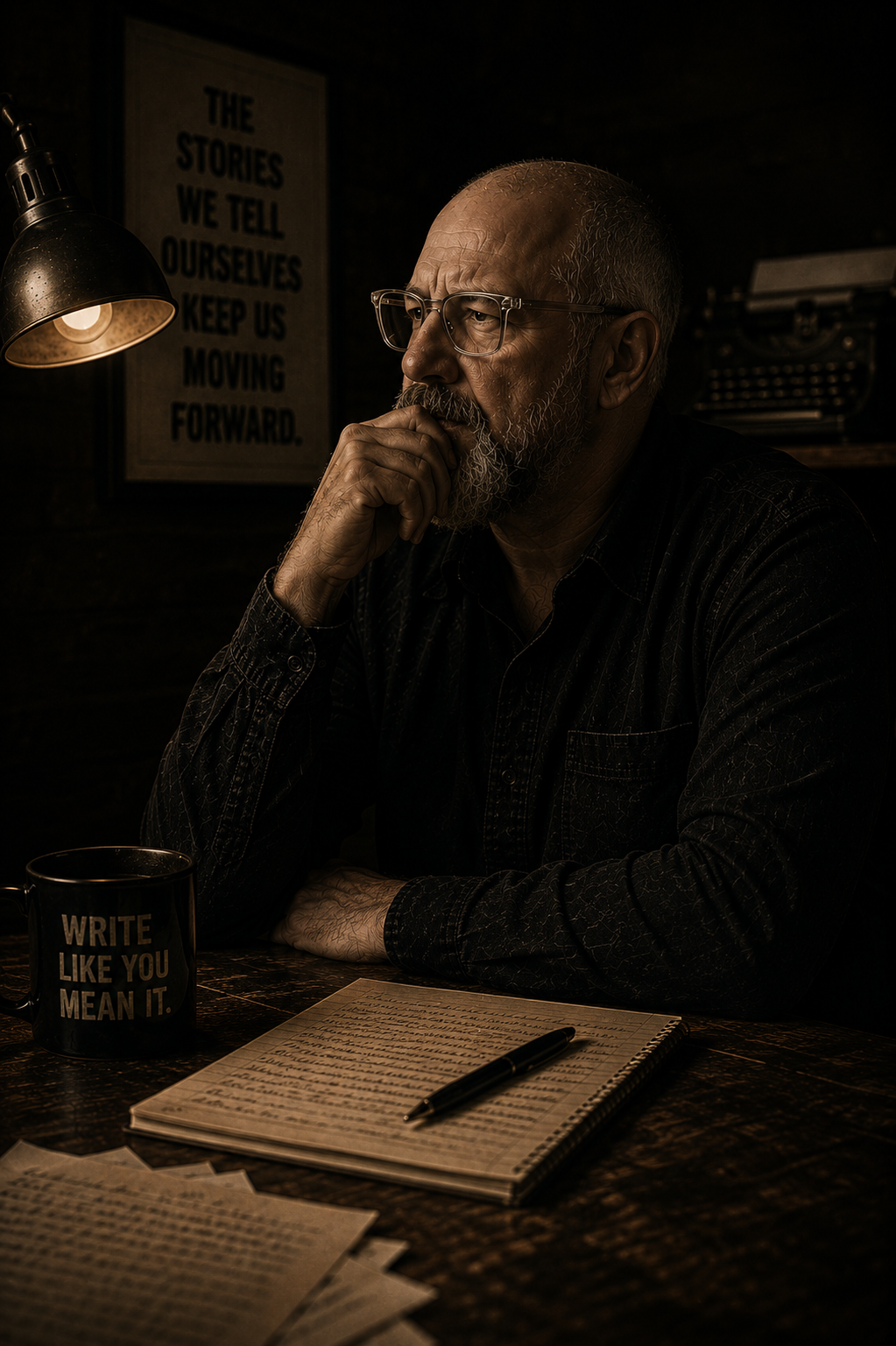
Drew Zagorski writes fiction under the name Drew Glass, honoring the memory of his grandfather, Stan Glazewski (Glass), who remains his north star and role model.
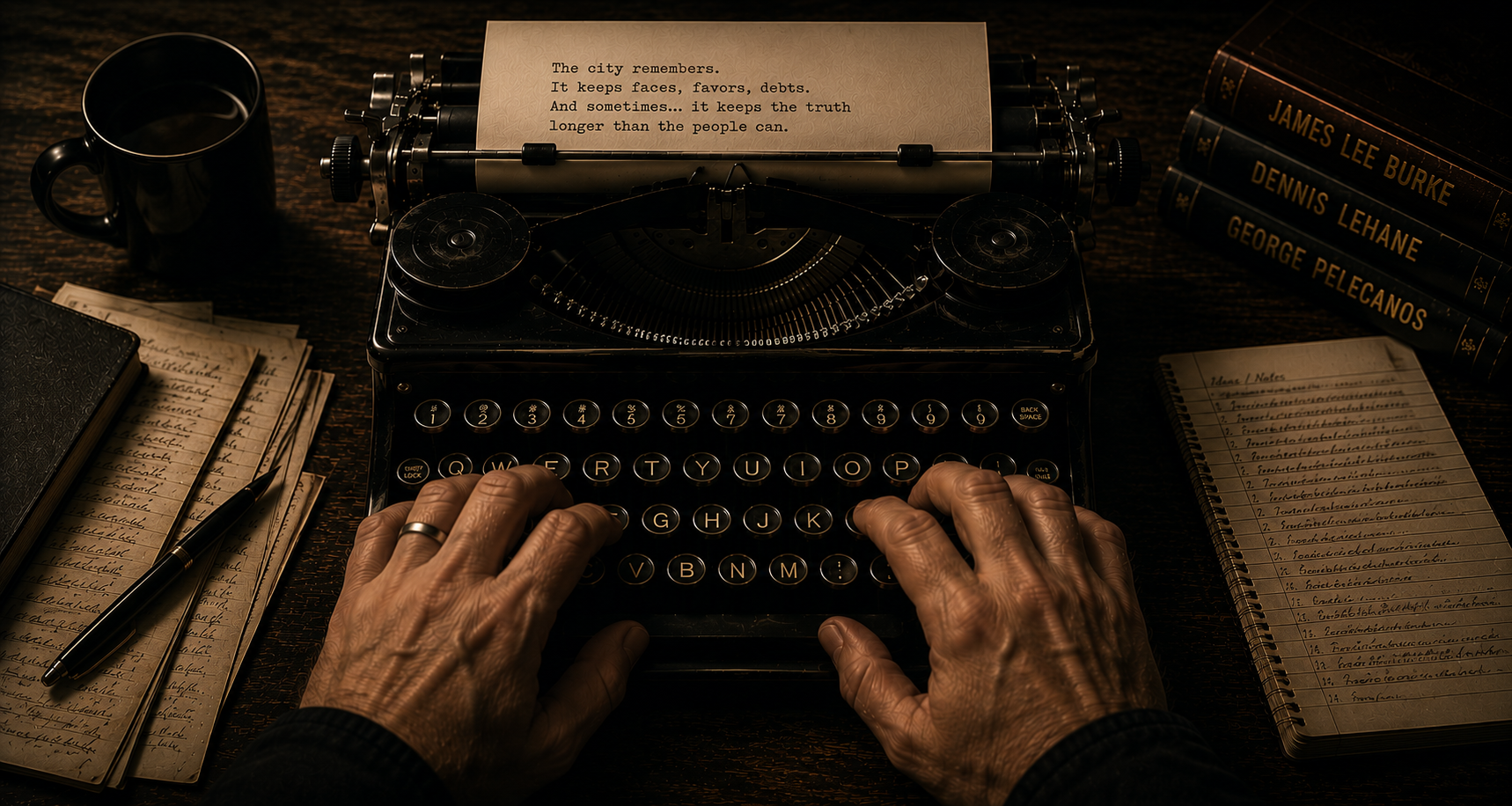
A Chicago native now living in the Midwest with his family, Glass writes character-driven stories about loyalty, consequence, identity, moral tension, and the choices that slowly define a life. His work moves between crime fiction, satire, absurdism, and grounded human drama while maintaining a strong focus on voice, atmosphere, and deeply flawed people navigating complicated systems.
His debut novel, The Make-Right Man: A Chicago Reckoning, explores neighborhood mythology, survival, organized crime, and the emotional cost of becoming the person others depend on.
In addition to fiction writing, Glass is one of the creators and producers of the podcast You Don’t Say… Stories from the Drew Zagorski Files, featuring stories drawn from memory, experience, observation, and the spaces in between.
Future projects include crime fiction, dark satire, absurdist historical storytelling, serialized audio fiction, and narrative-driven literary projects that continue to explore the tension among human nature, self-preservation, and the stories people tell themselves to keep moving forward.
The Philosophy Behind the Stories
Stories matter because they allow us to step outside ourselves for a while and see the world through someone else’s eyes — another neighborhood, another time, another set of pressures, fears, loyalties, temptations, or regrets.
If there’s a common thread running through Drew Glass’s work, it’s the belief that most people who cross a line rarely begin as monsters. More often, they start as ordinary people navigating circumstances, compromises, ambitions, survival instincts, ego, fear, or love — walking closer and closer to an edge they once believed they would never approach.
Some stories are tragic. Some absurd. Some darkly funny.
Most contain pieces of all three, because real life usually does too.
Whether writing crime fiction, satire, or historical reinterpretation, the goal remains the same: to immerse readers deeply enough in a character’s world that they can understand not only what happened, but why it felt reasonable in the moment.
The best stories do more than entertain. They invite readers to question themselves.
Would I have made that choice?
Would I have justified it differently?
Would I have crossed that line too?
And when history becomes part of the story, the hope is not simply to fictionalize the past, but to spark curiosity about the people, events, truths, contradictions, and forgotten details that shaped it in the first place.